At NobleStone, we are committed to promoting safe fabrication practices and helping fabricators work in line with current UK Health and Safety guidance.
This information is intended for fabricators, installers and distributors of engineered stone, including business owners, managers and supervisors.
Our engineered quartz surfaces are designed for interior applications, including kitchen worktops, bathrooms, wall cladding, staircases and other surfaces.
Engineered stone is widely used for kitchen worktops and other interior surfaces and may contain up to 90% crystalline silica. Wherever reasonably practicable, businesses should work with materials containing the lowest available silica content.
Fabrication activities such as cutting, drilling, grinding and polishing can generate high levels of fine dust containing respirable crystalline silica, commonly referred to as RCS.
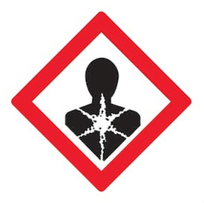
If this dust is inhaled, particularly over a prolonged or repeated period, it can cause serious and potentially life-changing respiratory diseases, including:
Although the damage caused by these diseases may be irreversible, exposure and illness are preventable when the correct control measures are properly implemented and maintained.
Businesses must assess and control exposure to silica dust in accordance with the Control of Substances Hazardous to Health Regulations, known as COSHH.
The essential controls for protecting workers include:
No single control measure should be relied upon on its own. Controls should be used together as part of a properly planned system of work.
Engineered stone must not be cut, drilled, ground or polished dry.
Using water at the point where the tool contacts the stone helps suppress dust before it becomes airborne. Mains-fed water is preferable wherever reasonably practicable.
Where recirculated water is used, additional monitoring, cleaning and maintenance will be required to ensure that bacteria and silica levels remain properly controlled.
Water-suppression systems should be:
Water suppression reduces dust but does not remove the need for ventilation, respiratory protection and other controls.
The mist and slurry produced when working with engineered stone may contain crystalline silica and must also be controlled.
Mechanical ventilation should be provided to prevent the accumulation of contaminated mist in the workplace. The ventilation system must be suitable for extracting wet mist and should discharge contaminated air safely outside the building.
Work involving powered handheld tools should, wherever reasonably practicable, be carried out inside a partially enclosed and externally ventilated booth, such as a water-wall local exhaust ventilation booth.
Local exhaust ventilation systems should be:
Slurry must not be allowed to dry because dried slurry can create hazardous dust when disturbed.
Powered air-purifying respirators are an effective form of respiratory protective equipment for engineered-stone fabrication work.
PAPR equipment may be more comfortable for workers to wear for extended periods and is generally more suitable for wet working environments. Depending on the type of hood or face covering used, face-fit testing may not always be required, which can make some systems suitable for workers with facial hair.
Respiratory protective equipment must be:
Thorough maintenance, examination and testing should be carried out at least once every month, or more frequently where required by the manufacturer or the conditions of use.
Where tight-fitting respiratory protection is used, workers must be clean-shaven around the sealing area and must have passed an appropriate face-fit test.
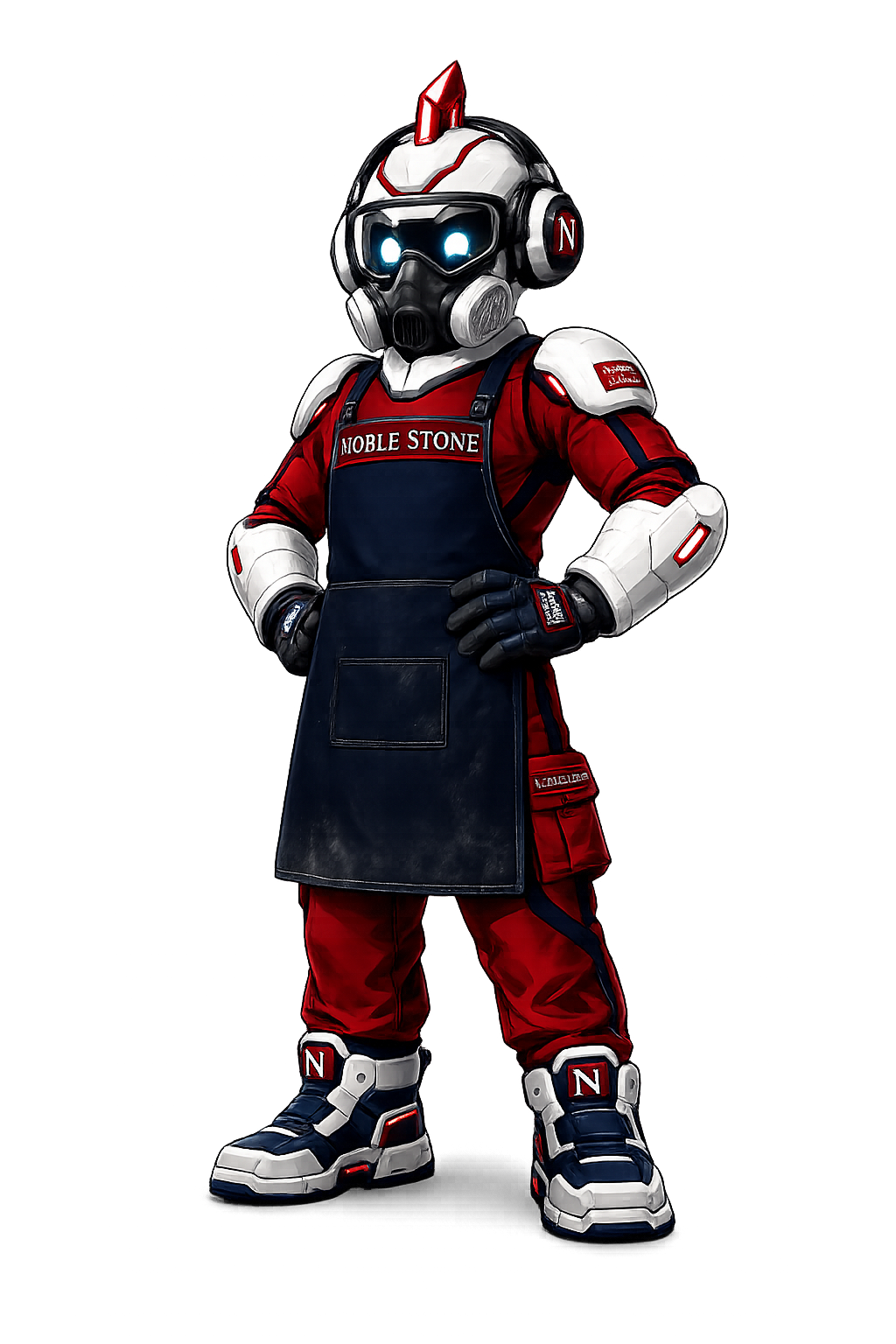
Anyone involved in the fabrication, handling or installation of engineered stone should be provided with suitable personal protective equipment. Depending on the work being undertaken, this may include:
Coveralls should be made from materials that do not easily retain dust. Synthetic materials are generally more suitable than cotton for contaminated working environments. Workers should not wear their own outer clothing in fabrication or other contaminated areas.
Suitable arrangements must be provided for:
The fabrication area should be organised to minimise the number of people who may be exposed to silica dust, mist or slurry. Access to contaminated work areas should be limited to authorised workers who have received appropriate information, instruction and training.
Workers should understand:
Safe handling and storage procedures should also be followed to reduce the risk of injury from moving, lifting or storing stone slabs.
A planned cleaning and housekeeping programme must be maintained. The following procedures should be followed:
Household vacuum cleaners should not be used for collecting silica dust unless they have been specifically designed and approved for that purpose.
Fabrication equipment, water-suppression systems, ventilation systems and respiratory protective equipment must be kept in effective working order.
Businesses should:
Workers should be encouraged to report defects, reduced water flow, poor extraction, damaged respirators or other problems immediately.
Suitable welfare facilities must be available to help workers remove contamination safely. These should include:
Workers should wash their hands and face thoroughly before eating, drinking, smoking or leaving the workplace.
Regular health surveillance is an essential requirement alongside effective engineering controls and protective equipment. Workers who may be exposed to respirable crystalline silica should be placed under an appropriate health-surveillance programme where required by the COSHH assessment.
Health surveillance may help identify early signs of ill health and should be carried out by a competent occupational-health professional. Records should be maintained securely and workers should be informed of the purpose of the checks and how their health information will be handled.
Health surveillance does not replace the need to prevent or adequately control exposure.
Managers and supervisors should ensure that:
Where possible, businesses should consider using engineered stone and other materials with a lower crystalline-silica content.
NobleStone strongly encourages all fabricators, installers, distributors and workshops to follow current Health and Safety Executive guidance, COSHH requirements and workplace-exposure controls.
Detailed practical guidance is available in the HSE publication:
workright.campaign.gov.uk/engineered-stone
This guidance should be read alongside the business's own risk assessments, equipment-manufacturer instructions and advice from competent health and safety professionals.
Remember: no engineered-stone fabrication work should be carried out dry. Effective water suppression, mist extraction, respiratory protection, cleaning, maintenance, training and health surveillance must all form part of the system used to protect workers.